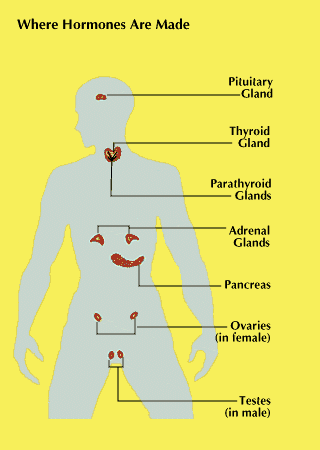
This is the picture about hormones (another essentials for our body). Read more to find an answer about vegetarians and people who want to eat meat. Is it possible not to eat meat? Yes. But it’s the matter of taste. Find the answer below. Irreplacebale proteins. Can you find them only in meat?
That is a common misconception. But do not ignore meat. Read more…
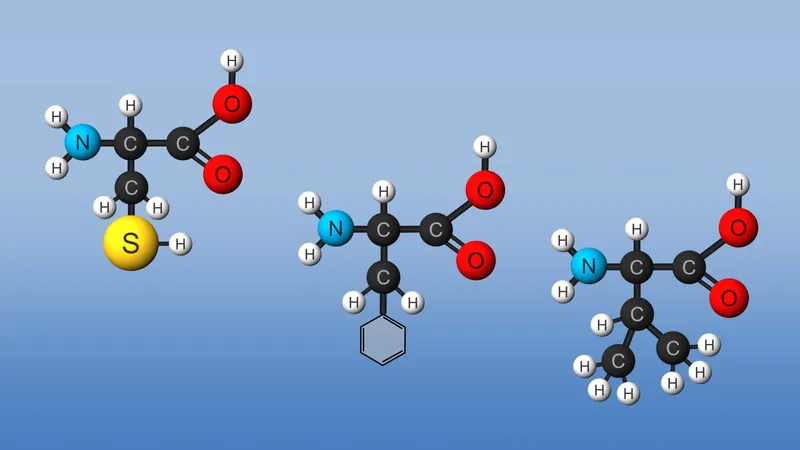
Here are the 9 essential amino acids, along with their key roles in the body:
- Valine (Val) — Supports muscle tissue repair, energy production, and nervous system function.
- Isoleucine (Ile) — Plays a key role in hemoglobin synthesis, blood sugar regulation, and muscle metabolism.
- Leucine (Leu) — Acts as a primary trigger for muscle protein synthesis and also supports tissue healing and blood glucose control.
- Lysine (Lys) — Required for collagen formation, calcium absorption, antibody production, and carnitine synthesis; often the limiting amino acid in grains.
- Methionine (Met) — A sulfur-containing amino acid that donates methyl groups, aids detoxification, and serves as a building block for cysteine and creatine; often the limiting amino acid in legumes.
- Phenylalanine (Phe) — A precursor to tyrosine, which in turn is used to make dopamine, norepinephrine, epinephrine (adrenaline), melanin, and thyroid hormones.
- Threonine (Thr) — Essential for collagen and elastin production, immune function, fat metabolism, and maintaining intestinal mucosal health.
- Tryptophan (Trp) — A precursor to serotonin, melatonin, and vitamin B3 (niacin).
- Histidine (His) — Needed for producing histamine, synthesizing hemoglobin, and maintaining the myelin sheath around nerve cells; classified as conditionally essential in infants and certain conditions, and essential for adults in modern nutrition.
Quick note: Cysteine and tyrosine are considered non-essential (or conditionally essential) because the body can synthesize them from methionine and phenylalanine, respectively, provided those precursors are adequately supplied.

“Some proteins and amino acids are not replenished from plant-based foods — is that true?”
Or more simply and conversationally:
“Is it true that you can’t get certain proteins and amino acids from plant foods?” (no need meet or
meet food can help as a mediator?)
That is a common misconception, but from the perspective of modern biochemistry and nutrition science, it is false.
All 20 proteinogenic amino acids (including all 9 essential ones that the human body cannot synthesize on its own) are present in plant-based foods. Plants synthesize all of these amino acids themselves; animals simply get them by eating plants (or other animals).
The confusion usually comes down to two factors: the proportions of amino acids in specific plants, and derived compounds that aren’t proteins but are often mentioned alongside them.
1. Incomplete Amino Acid Profiles (Limiting Amino Acids)
Unlike meat, eggs, or dairy—where all essential amino acids appear in ideal proportions for humans—most individual plants have an “imbalance” in their profile, meaning one amino acid is present in significantly lower amounts than required:
- Grains (wheat, rice, oats) are usually low in lysine, though rich in methionine.
- Legumes (lentils, beans, peas), conversely, are rich in lysine, but low in methionine and cysteine.
How this is solved: Your body doesn’t need to get every amino acid in the ideal ratio at a single meal. Your liver maintains a pool of free amino acids throughout the day. If your diet includes both grains and legumes (or nuts and seeds) over the course of the day, they complement one another and support full synthesis of any human protein. In addition, some plants have a complete profile on their own (such as soy, quinoa, buckwheat, hemp seeds, and chia).
2. Protein Digestibility (PDCAAS / DIAAS)
Plant proteins are surrounded by fiber cell walls and sometimes contain antinutrients (like phytates or trypsin inhibitors). Because of this, their bioavailability is lower: on average, about 70–85% of protein from whole plants is digested and absorbed, compared to 90–99% from animal products. That means on a plant-based diet, you simply need to aim for a slightly higher total protein intake (roughly 10–15% more), rather than worrying about a shortage of specific amino acids when eating a varied diet.
3. Compounds Truly Absent from Plants (Which Aren’t Proteins)
People often use “irreplaceable proteins” to refer to nitrogen-containing compounds and vitamins found only in animal tissues:
- Vitamin B12 is produced neither by plants nor by animals (it is synthesized by bacteria), yet in nature humans get it only from animal foods. Replenishing it requires supplements or fortified foods.
- Taurine, carnosine, creatine, and anserine are amino acid derivatives and dipeptides absent from plants. However, they are not essential for humans: our bodies synthesize them on their own from ordinary plant-derived amino acids (for example, taurine and creatine are made from methionine, cysteine, glycine, and arginine). Tissue levels can be lower in vegans, though this doesn’t cause life-threatening clinical deficiency (while supplemental creatine may still support cognitive and strength performance).
In short, getting every protein your body needs and all essential amino acids from plants is completely achievable—as long as you don’t base your diet on a single food (like only rice or only potatoes) and instead combine different plant food groups across the day.
PS: Interested to try a new online business this year? Click the image below

” Isn’t it nice to think that tomorrow is a new day with no mistakes in it yet” (L.M. Montomery)
“Vanitas vanitatum et omnia vanitas ” – Ecclesiastes (Bible, 1:2) – Ἐκκλησιαστής (in Greek)